

Do you need a new paved driveway area in the Greater Bay Area and want a rough cost estimate? Our asphalt driveway calculator makes it easy!
Simply enter the length, width, and depth of your project, then schedule a free estimate so we can determine the best way forward with your project.
Asphalt Calculator
Read more about our asphalt services:
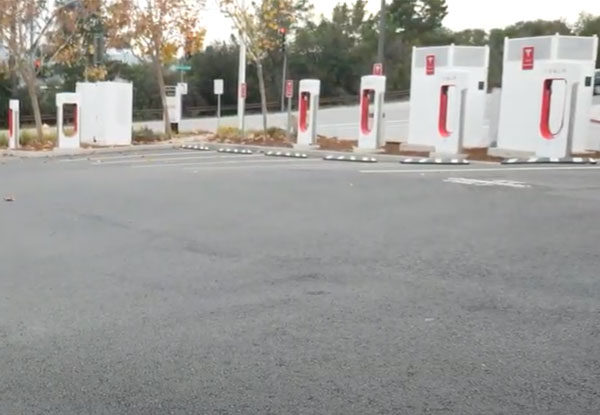
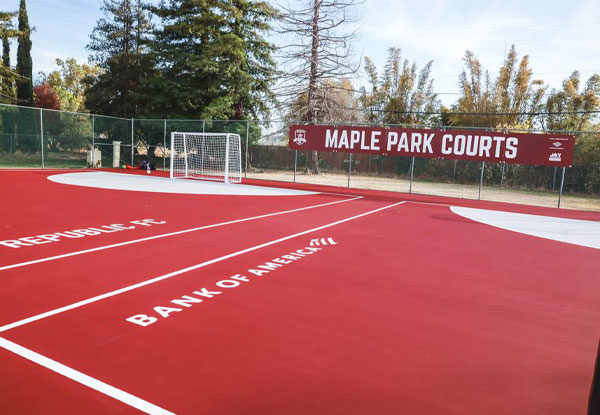
Ready to Pave in the Bay Area?
Get a fast, local, and accurate estimate for your asphalt project today.
Have questions on our asphalt calculator? Get your answers below!
The thickness of asphalt you need will depend upon its intended use. For a standard asphalt driveway used by one to two cars, a 2-inch layer of hot mix asphalt is typical. A 3-inch layer might be necessary if you drive a heavier vehicle or park a heavy trailer on it, especially for a residential asphalt driveway project. Lighter-use parking lots usually require a thickness of 4 inches per square foot of material. Heavier-use parking lots, or those with constant traffic, will need 6 to 8 inches of asphalt for durability.
In California’s Greater Bay Area, local conditions can also influence asphalt thickness recommendations. For example, residential driveways in San Francisco’s steep neighborhoods often require thicker asphalt for better stability on sloped terrain. Meanwhile, Silicon Valley office campuses and Oakland retail centers see higher traffic volumes, making a 6- to 8-inch application more practical for long-term durability. In wine country regions like Napa and Sonoma, where heavy trucks and agricultural equipment are common, reinforced pavement layers are often suggested to handle the extra load.
Yes, the cost of asphalt is usually calculated by square foot. On average, asphalt costs $40 to $80 per ton, or about $0.75 to $2.00 per square foot. The exact price depends on several factors, including the size of the rock in the mix, the total volume of material ordered, delivery expenses, and the location of the paving job.
In California’s Greater Bay Area, prices may fluctuate slightly higher than the national average because of regional factors like fuel costs, local demand, and the urban density of cities such as San Francisco, Oakland, and San Jose. Projects near Napa or Sonoma may also face unique considerations, such as vineyard access roads or rural delivery routes, which can influence the final asphalt price per square foot.
The industry standard weight of asphalt is 145 lbs per cubic foot. You can calculate how many tons of asphalt you need for your project with a few measurements. Measure the length, width and depth of your project area in feet. Multiply the length, width and depth together to get your number of cubic feet. Then multiply cubic feet by 145 to know how many pounds of asphalt you will need. Divide pounds by 2,000, the number of pounds in one ton. This will give you the number of tons of asphalt needed for your project.
Example: If your parking lot is 20 feet by 30 feet with a depth of 6 inches, you would calculate like this:
- 20 feet X 30 feet x 0.5 feet = 300 feet³
- 300 feet³ x 145 = 43,500 lbs of asphalt
- 43,500 lbs ÷ 2000 lbs = 21.75 tons
Of course, our calculator does this for you!
Keep in mind, in the Bay Area, trucking and delivery costs can add significantly depending on your distance from asphalt plants in places like Santa Clara, Richmond, or Hayward. Steeper sites in Marin or hillside areas in Berkeley may also require more prep work, which affects final costs.
Of course, our Greater Bay Area asphalt calculator does this math for you, making it fast, local, and accurate.
The DRYCO Asphalt Calculator will give you an idea of the cost associated with your project, but all projects are different. Factors that affect the price of asphalt installation include the number of locations of work or number of patches, shape of the project, beneath the asphalt surface, local asphalt material cost, and the type of mix used.
When planning an asphalt driveway project in the Greater Bay Area, it’s important to consider the region’s unique weather patterns. Climate has a direct impact on asphalt cost, durability, and the type of mix you should choose.
- San Francisco Fog: The cool, damp air can slow the curing process for hot mix asphalt, which is the most common option for driveways and parking lots. Extra time may be needed to ensure proper bonding and long-lasting results.
- Contra Costa Heat: In the East Bay, hot summers can soften asphalt surfaces, especially if a thin layer is used. A thicker application or porous asphalt (which reduces heat retention) may help improve long-term performance.
- Marin & Sonoma Winters: Heavy rains can cause cracking and water damage if drainage isn’t planned correctly. For rural roads, vineyard access, or residential driveways in these areas, cold mix asphalt is sometimes used as a temporary repair during the rainy season.
Because weather directly affects asphalt driveway cost per square foot, choosing the right material, whether hot mix asphalt, cold mix asphalt, or even porous asphalt, is essential for ensuring your project lasts. Our Bay Area asphalt calculator factors in these conditions to give you a more accurate estimate tailored to your location.
Asphalt cost for driveways is influenced by several key factors, including asphalt driveway installation labor, asphalt material costs, and delivery fees from local asphalt plants or asphalt companies. The type of asphalt mix you choose directly affects price. Hot mix asphalt is the most common choice for creating a smooth, durable asphalt surface, while warm mix asphalt can be installed at lower temperatures to reduce energy use. Cold mix is sometimes used for patching or temporary repairs on a current asphalt driveway but is not typically recommended for full installations.
Your contractor will also evaluate the condition of any old asphalt and whether it can be recycled into reclaimed asphalt, which can lower material costs. The driveway’s base layer matters as well, installing a stable crushed stone foundation is essential for preventing cracks and potholes.
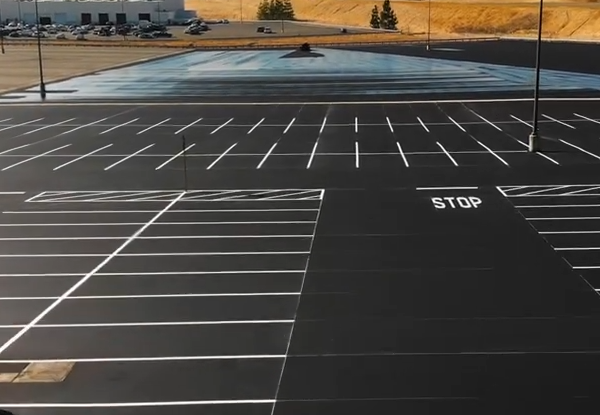
Asphalt cost for parking lots is calculated using many of the same factors as driveways, but on a larger scale. Asphalt contractors will consider the total square foot size of the lot, the thickness of the asphalt pavement, and the type of asphalt mix used. Most commercial parking lots in the Greater Bay Area require 6 to 8 inches of hot mix asphalt to handle heavy traffic loads. Warm mix asphalt may also be used to speed installation on large projects. These choices increase both asphalt material costs and labor costs compared to residential driveways.
Before paving, contractors often place a crushed stone base layer for stability. In some cases, reclaimed asphalt from old asphalt surfaces can be recycled and mixed in to lower costs. Cold mix may be used for short-term patches but not for full parking lot installations.
Asphalt driveway installation costs can vary widely throughout the Greater Bay Area depending on several key factors: the square foot size of the project, the depth of asphalt needed, and the site preparation involved. In high-traffic areas like Silicon Valley or downtown San Francisco, driveways often require thicker layers of hot mix asphalt or even warm mix asphalt to withstand heavier loads and prevent premature wear on the asphalt surface.
During the rainy season, cold mix asphalt may be used for temporary repairs on a current asphalt driveway before the final hot mix layer is applied. In more rural regions such as Napa or Sonoma, trucking and delivery costs from distant asphalt plants or asphalt companies can raise the asphalt price per sq ft significantly.
Yes, colored asphalt can be a great way to improve curb appeal on residential asphalt driveways or even parking lots, but it does cost more than standard hot mix asphalt. This material is typically made by mixing pigments, specialty aggregates, and protective sealants into the asphalt. These extra steps increase asphalt material costs and require skilled asphalt contractors, which raises labor costs as well.
Colored asphalt may be used as the top layer on a new driveway or added as a decorative finish on an existing asphalt surface. Because it’s more specialized, the asphalt price per sq ft is higher than standard blacktop. These colored options are especially popular in San Jose, Santa Clara, or Palo Alto neighborhoods where visual appeal is important.
Since the total asphalt driveway cost depends on the square footage, location, and finish type, it’s best to get a custom estimate to see how colored asphalt fits into your project budget.
Damaged asphalt surfaces can be repaired using either cold mix asphalt or hot mix asphalt, depending on the situation. Cold mix asphalt is commonly used for quick, temporary fixes like pothole patches or crack filling during the Bay Area’s rainy season when it’s difficult to apply hot materials. It’s a cost-effective way to make a current asphalt driveway or parking lot safe until permanent repairs are scheduled.
For long-term repairs, hot mix asphalt is preferred because it bonds more strongly to the existing asphalt pavement and creates a smooth, durable asphalt surface. Larger repairs may require cutting out and removing old asphalt, rebuilding the crushed stone base, and installing new hot mix asphalt. In some cases, reclaimed asphalt can be incorporated into the repair to reduce material costs.
The DRYCO Advantage
Once you’ve estimated your project price, get in touch with our team for a free estimate!
We’re experts in asphalt projects throughout the Greater CA Bay area, from parking lots to driveways, park paths, large commercial applications and more. We’ll do an assessment of your needs and hone your estimate to find a price point that works for you.
When it comes to pavement, DRYCO is your one-stop company for every paving need and more.
Now that you’ve used the asphalt calculator, what are the next steps for your paving project in the Greater Bay Area?
Contact Us
Tell us more about the area and the paving services you need.
Get A Free Quote
We provide a turn-key quote for your driveway or parking lot.
We Do The Work
Let our experienced team do the work and take care of everything!
When it comes to paving, don’t be in the dark. Use our asphalt calculator for California’s Greater Bay Area!
When it comes to estimate the paving cost for your surfaces, it’s hard not to worry about sticker-shock or budget when you don’t know what costs will be.
We understand this frustration, and that’s why we made our free asphalt and paving calculator!
Whether it’s for residential or commercial use, we trust it will provide value and help you budget for your next paving project.
And when you are ready for a free quote, contact the trusted team at DRYCO. We look forward to meeting you and serving your team!
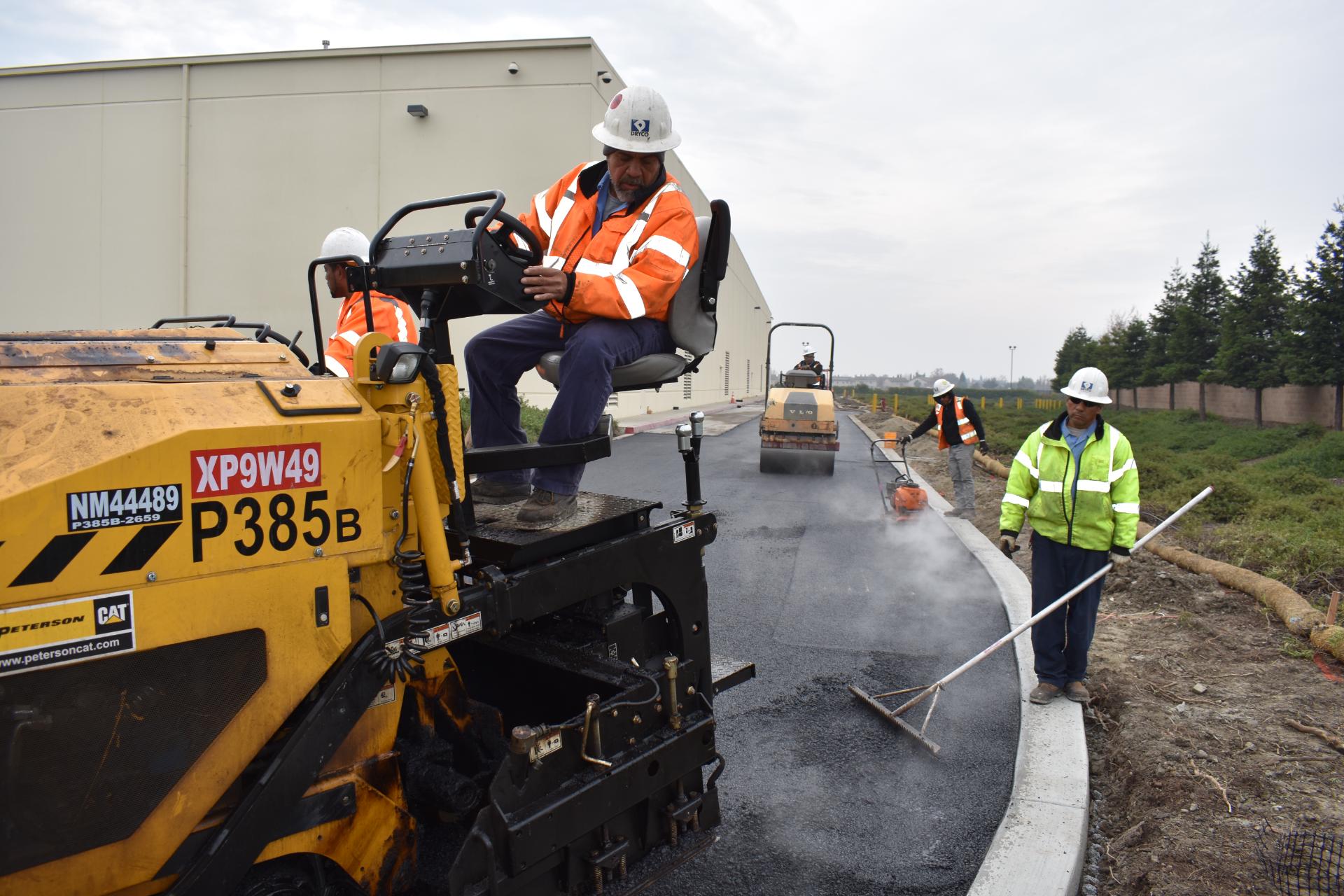
It’s easy! Just call us at 800-378-2177 or contact us here.
The Greater Bay Area is one of the most iconic regions in the United States, encompassing major cities like San Francisco, San Jose, Oakland, and their surrounding suburbs. Known for its incredible cultural diversity, booming technology sector, and natural beauty, the Bay Area has a long and storied history. From the early Spanish missions to the Gold Rush and the tech boom of Silicon Valley, this region has always been a hub of innovation and opportunity. Today, the Bay Area is a global leader in technology, education, and culture, home to world-renowned institutions and companies.
Top Attractions in the Greater Bay Area Include:
- Golden Gate Bridge – San Francisco
- Alcatraz Island – San Francisco
- Silicon Valley – San Jose
- Napa Valley Wine Country – Napa
- Muir Woods National Monument – Marin County
- Fisherman’s Wharf – San Francisco
- Monterey Bay Aquarium – Monterey
- Oakland Museum of California – Oakland
- Berkeley’s UC Botanical Garden – Berkeley
- Point Reyes National Seashore – Marin County
Counties Located in the Greater Bay Area: Alameda, Contra Costa, Marin, Napa, San Francisco, San Mateo, Santa Clara, Solano, Sonoma
Largest Cities and Suburbs in the Greater Bay Area Include: San Francisco, San Jose, Oakland, Fremont, Santa Clara, Hayward, Sunnyvale, Berkeley, Concord, Palo Alto, Vallejo, Richmond, Daly City, Redwood City, Mountain View, and others.
We have calculators built for most of the greater Central Coast California regions we serve, including: