
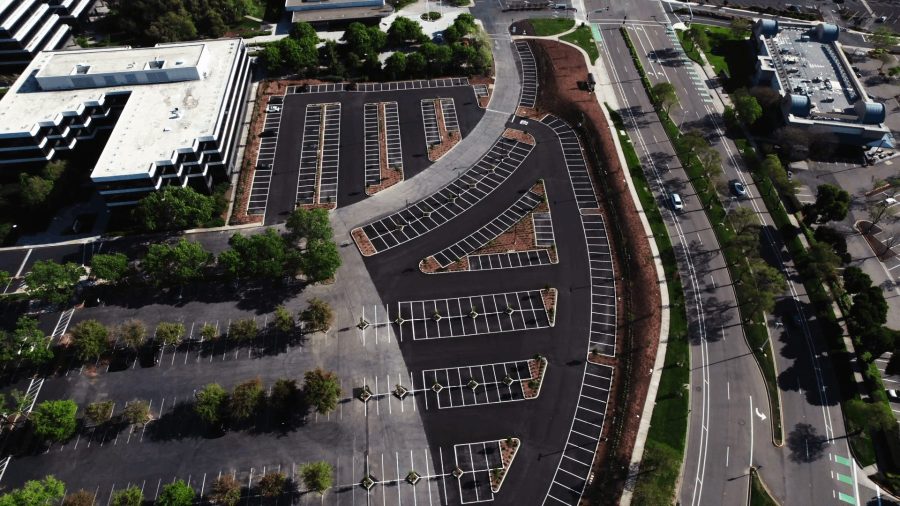
Are you planning a new parking lot construction project or looking to update an existing parking lot surface? From choosing between an asphalt parking lot or a concrete parking lot to deciding on the number of parking spaces you’ll need, there are several factors to consider. Each option comes with different maintenance costs, durability levels, and long-term minimal maintenance requirements, so it’s important to weigh the pros and cons carefully for your parking area in California.
Make the Right Choice for your Parking Lot Construction
The choice between using asphalt or concrete for your parking lot construction has a lot of factors that you need to consider. If you are having trouble deciding what material to use or you’re ready to get started, contact DRYCO today! Our expert team will work with you to ensure your new parking lot is made the right way.
Parking Lot Construction Costs: Asphalt Parking vs. Concrete Parking
When planning a new parking lot construction project, cost is often the first factor owners consider. Asphalt parking lots are generally more affordable to install upfront and can quickly provide usable parking spaces. On the other hand, a concrete parking lot requires a higher initial investment but typically results in lower long-term maintenance costs. Since concrete surfaces need only minimal maintenance compared to asphalt, the overall expense over the lifespan of your parking area may actually be lower. Working with experienced concrete contractors or asphalt paving teams ensures that you balance your budget with long-term durability.
Beyond installation, business owners should also consider life-cycle costs such as resurfacing, sealing, and repairs. Asphalt parking lots may need more frequent upkeep, but they allow for easier patching and resurfacing when issues arise. Concrete parking lots, while harder to repair, often reduce overall expenses thanks to their durability and longer lifespan. Factoring in both upfront costs and long-term maintenance helps determine which parking lot surface provides the best value for your property.
Lifespan of Asphalt vs. Concrete
The durability of your parking lot surface depends heavily on the material chosen. A well-built concrete parking lot can last 30 to 40 years with regular care, offering long-term stability for busy parking areas. In contrast, asphalt parking lots generally last 20 to 30 years but may require more frequent resurfacing and repairs. While asphalt is easier and less expensive to patch, concrete provides longer structural integrity and reduced maintenance costs over time. Ultimately, both options can perform well if proper maintenance and periodic inspections are part of your lot’s care plan.
When considering parking lot construction in California, climate plays a big role in lifespan. Asphalt parking lots can be more flexible under heat, which is helpful during the Bay Area’s warm summers, but they may also soften and need more regular sealcoating. Concrete parking lots are less affected by temperature swings, making them a preferred choice for high-traffic commercial parking structures. Choosing between asphalt and concrete often comes down to balancing upfront installation costs, long-term performance, and the specific needs of your parking lot surface.
Regular Maintenance Needs in Asphalt Parking and Concrete Parking Lots
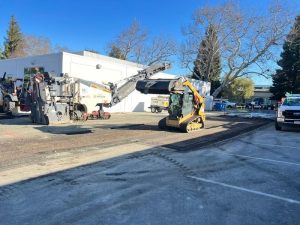
When it comes to parking lot construction, maintenance is one of the biggest factors that impacts both performance and cost. Asphalt parking lots typically require more upkeep because the surface needs sealcoating every three to five years to protect it from weather and heavy traffic. However, this regular care keeps the parking lot surface smooth, safe, and visually appealing.
Concrete parking lots, on the other hand, usually need less frequent attention, offering minimal maintenance over time. That said, when concrete does crack or become damaged, repairs can be more complex and expensive, often requiring the expertise of professional concrete contractors. Factoring in maintenance costs over the life of your parking area is essential to choosing the right material.
How Parking Lot Design and Asphalt Mix Adapt to California’s Climate
Climate plays a critical role in how long your parking lot surface will last and how much maintenance it will require. In California, with its mix of hot summers and coastal moisture, concrete parking lots tend to perform well in consistently warm conditions. However, advancements in asphalt parking lot mixes now make them better suited for hotter regions, reducing the risk of softening or surface damage. Proper parking lot design, including drainage planning, surface grading, and site preparation, also ensures that your parking area can withstand local weather without costly repairs. At DRYCO, our experience with Bay Area parking lot construction means we select the right materials and mixes so your asphalt or concrete parking lot is built to last.
Parking Lot Construction: Asphalt vs. Concrete for Traffic Loads
Asphalt parking lots are a reliable choice for standard traffic in the construction of single-level parking areas. They provide a smooth parking lot surface that works well for passenger vehicles and light traffic, making them a cost-effective solution for many businesses. Asphalt also allows for faster installation, which can reduce initial material costs and downtime during construction.
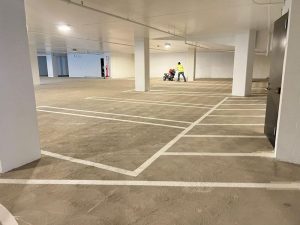
On the other hand, a concrete parking lot is the better option if you need a multi-level parking structure or expect frequent use by heavier vehicles such as freight trucks. Concrete contractors often recommend this material because of its durability, strength, and reduced long-term maintenance costs compared to asphalt. While the upfront investment is usually higher, concrete parking lots deliver long-lasting performance and require less frequent resurfacing.
Parking Lot Surface Customization: Asphalt vs. Concrete
With an asphalt parking lot surface, you’ll get a smooth, uniform, and dark finish that many property owners find both practical and visually appealing. Asphalt parking lots are excellent at hiding common issues like tire marks and oil stains, which helps maintain a clean look with minimal maintenance.
If you’re looking for more customization in your parking lot design, a concrete parking lot surface offers greater flexibility. With DRYCO, you can select from a range of concrete colors, add decorative finishes, or even have patterns stamped into the concrete for a unique look. For example, we can create a concrete parking lot that mimics the appearance of interlocking bricks or stone, giving your parking area both durability and style.
Environmental Impact of Asphalt vs. Concrete Parking Lots
When planning a parking lot construction project, sustainability is becoming just as important as cost and durability. Both asphalt and concrete are recyclable, but asphalt stands out as one of the most reused materials in the world. Its production consumes less energy than other pavement materials, and asphalt contractors often incorporate reclaimed asphalt pavement (RAP) to reduce waste and project costs.
At DRYCO, we take sustainability a step further with full-depth reclamation, a process where the asphalt we remove is reused to create new, stronger asphalt, recycling the material while improving the surface. Concrete, on the other hand, reflects more heat and can help reduce the urban heat island effect, but it typically requires more resources to produce and install. In California’s Greater Bay Area, building codes and environmental standards encourage property owners to balance durability, energy efficiency, and eco-friendly practices when choosing materials for parking lot construction.
Choosing the Right Asphalt or Concrete Contractor in California
Even the best materials won’t perform well without the right contractor. Parking lot construction requires expertise in soil preparation, grading, drainage, and the specific challenges of California’s climate. Experienced asphalt contractors understand how to choose the right asphalt mix for heavy traffic areas or design a parking lot surface that will withstand Bay Area rain and temperature changes.
Concrete paving specialists bring valuable skills for multi-level structures or projects where customization and stamped designs are required. Working with a trusted contractor like DRYCO ensures that your project will stay on schedule, meet local codes, and deliver long-lasting results. Whether you need asphalt parking lot installation, concrete parking lot repair, or complete site development, partnering with the right contractor in California makes all the difference.
FAQ
How do you have to wait after parking lot construction before you can use it?
When planning your parking lot construction, one factor to consider is how long you will need to wait before you can use it. Asphalt can usually be used within 48 hours of installation, making it a fast solution if time is an important factor. Concrete, on the other hand, takes longer to cure, often up to a week, before you can drive on a concrete parking lot surface.
It’s also important to note that curing times can vary depending on weather conditions and the size of the project. In warmer climates like California, asphalt often sets faster, while concrete may need additional time to fully harden and reach its maximum strength. For businesses that need to reopen parking spaces quickly, asphalt offers greater flexibility and less disruption. Concrete, however, provides a long-lasting surface that justifies the longer wait, especially for high-traffic or heavy-load parking areas.
Which material is more cost-effective: asphalt or concrete?
Thecost of parking lot construction depends on factors like square footage, material choice, and traffic load. Asphalt is typically more affordable upfront and has a faster installation time, making it ideal for budget-conscious projects. Concrete is more expensive to install but offers a longer lifespan and less frequent resurfacing, which can reduce long-term costs for businesses.
How do asphalt and concrete compare in terms of durability?
Durability is one of the biggest considerations for commercial parking lots. Asphalt performs well under standard traffic and can be repaired with sectional patching or overlays, which helps extend its life. Concrete provides superior strength for heavy vehicles and multi-level parking structures, often lasting 30 years or more with proper maintenance.
What type of maintenance do asphalt and concrete parking lots require?
Asphalt requires sealcoating every 3–5 years to maintain durability and prevent cracks, while minor repairs can often be done quickly. Concrete requires less frequent maintenance but may need joint sealing and occasional resurfacing. Both surfaces benefit from regular sweeping, drainage checks, and line striping to keep the parking lot organized and safe.
Click here to read about Five Reasons Why Parking Lot Maintenance is Important