
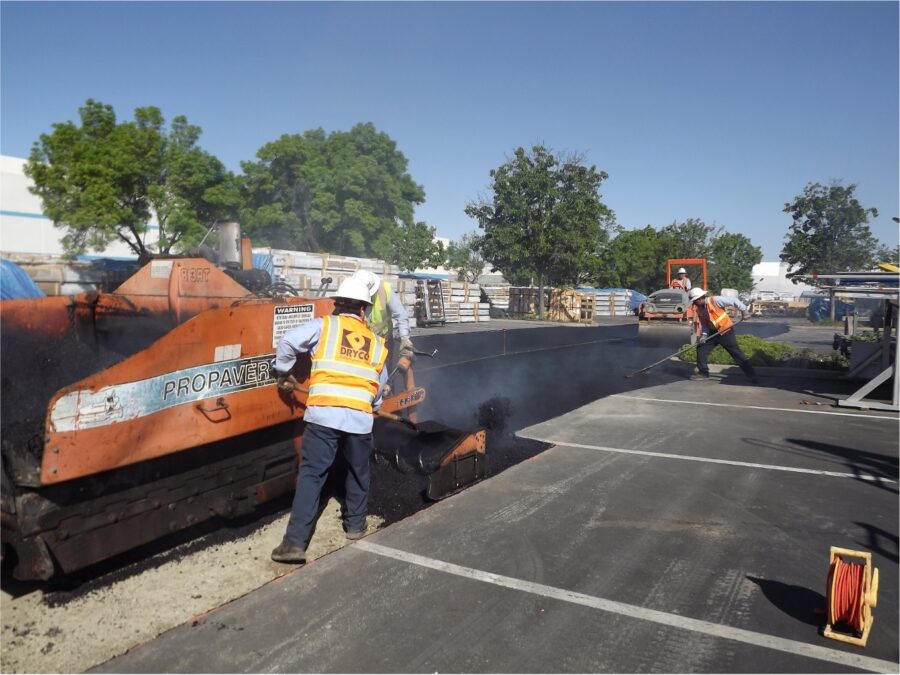
When a construction crew paves a new road, asphalt is generally the material of choice. In fact, according to the National Asphalt Pavement Association, approximately 94 percent of all roads in the United States are paved with asphalt. But did you know that asphalt can be recycled and reused? It is surprisingly easy to reclaim asphalt and recycle it into new pavement; asphalt is one of the most recycled materials in the US! Understanding the basics of asphalt recycling is essential for making informed decisions about pavement materials and sustainability.
The production of recycled asphalt involves reclaiming, processing, and reusing old pavement materials, making it a sustainable choice for new construction projects. The market for recycled asphalt has grown significantly, driven by increased demand, economic opportunity, and the environmental benefits it offers to municipalities, contractors, and industry stakeholders.
If you are wondering what recycled asphalt is, how effective it is, or anything in between, you have come to the right place. In this article, we will break down absolutely everything you need to know about recycled asphalt. The mission of organizations like the National Asphalt Pavement Association and FHWA is to promote sustainable asphalt recycling by advancing research, developing guidelines, and supporting both environmental and economic benefits.
Go Green Without Compromise: Full Depth Reclamation Asphalt from DRYCO
👉 Contact DRYCO today and see how reclaimed asphalt can power your next project while protecting the environment.
What is Recycled Asphalt?
Asphalt is made of an aggregate, like rocks, stone, or sand, which is combined with a binding material called a bitumen. Asphalt is used on roads, driveways, parking lots, and much more because it is a durable material. Asphalt has been used in roads for centuries because of its durability; plus, it can help reduce noise and repel water, and it is easy to maintain. Recycled asphalt, also known as reclaimed asphalt, is old asphalt that is removed from the ground and is then mixed with new asphalt and recycled material before being put down as new pavement. The process of putting recycled asphalt into new pavement helps improve strength, reduce costs, and supports environmental benefits.
There is a slight difference in the appearance of recycled asphalt and virgin asphalt. Virgin asphalt has dark black coloring that looks sleek and smooth. Recycled asphalt has already been in the sun, so it has the gray coloring that you see on most roads. Recycled asphalt is often created from milled pavement, which is then processed into fine particles suitable for reuse. Recycled asphalt often starts as large, hardened chunks that are broken down for reuse, allowing for efficient recycling and restoration. The expected color and texture of recycled asphalt may vary depending on the fineness of the milled material and the amount of sun exposure.
If you want to learn how to lay recycled asphalt click here.

Reclaimed Asphalt Pavement (RAP): The Building Block of Recycled Asphalt
Reclaimed Asphalt Pavement (RAP) is at the heart of the recycled asphalt industry. RAP consists of materials removed from existing asphalt pavements during reconstruction, resurfacing, or utility work. According to the National Asphalt Pavement Association, nearly 100 percent of RAP generated in the United States is reused or recycled each year, making it one of the most successfully recycled materials in the country.
When asphalt pavements are removed, the resulting RAP is carefully crushed and screened to ensure it contains high-quality, well-graded aggregates coated with durable asphalt cement. This process preserves the value of the original materials, allowing them to be reused in new hot mix asphalt production. By incorporating RAP, asphalt plants can significantly reduce the need for newly mined aggregate, which helps conserve natural resources and minimize the environmental impact of road construction.
For municipalities and construction companies, using RAP in new pavement projects means lower material costs and increased profitability. Reusing existing asphalt not only reduces waste and carbon emissions but also supports sustainable infrastructure development. As the demand for eco-friendly and cost-effective paving solutions grows, RAP continues to be the essential building block for recycled asphalt, helping cities and towns meet their infrastructure needs while protecting the environment.
Asphalt Recycling Process: How Old Roads Become New Again
The journey from old, worn-out roads to fresh, durable pavement begins with the asphalt recycling process. Recycling asphalt pavement starts with the collection of reclaimed asphalt pavement (RAP) from roads, parking lots, or other surfaces scheduled for repair or replacement. Once collected, the RAP is crushed and screened to produce a high-quality aggregate that can be reused in new pavement mixes.
Next, the processed RAP is combined with asphalt cement and, if needed, additional materials to create a new hot mix asphalt. This mixing process can take place at specialized asphalt plants equipped to handle recycled materials, or with on-site asphalt recyclers for certain projects. The Federal Highway Administration (FHWA) has established guidelines to ensure that recycled asphalt meets or exceeds the quality standards required for modern infrastructure.
By recycling asphalt pavement, cities, municipalities, and contractors can significantly reduce waste and conserve valuable natural resources. The process is not only cost effective, thanks to lower material and transportation costs, but also environmentally responsible, as it diverts tons of material from landfills and reduces the need for new aggregate mining. The result is a high-quality, durable pavement that supports sustainable road construction and maintenance for communities of all sizes.
Why Recycle Asphalt?
When asphalt is recycled, it is ground into gravel and removed in a process called asphalt milling. Specialized equipment such as milling machines and crushers is used to process reclaimed asphalt pavement efficiently. The asphalt is then brought to an asphalt plant, where it is screened and resized so that it can be used to make new pavement. The benefits of recycling asphalt include significant cost savings, reduced environmental impact, and improved performance of the final product. Often, the quality of this recycled asphalt is even stronger than it would be if it was made with all new materials. Evaluation of recycled asphalt is performed to ensure it meets performance standards for durability and quality. Asphalt can be recycled and reused multiple times, extending its lifespan even further. The properties of the asphalt binder can go from liquid to solid and back again without any chemical changes happening, so its durability is not jeopardized in the process. As asphalt ages, it can harden and lose flexibility, which is a result of the hardening process over time. While asphalt can be heated to a melt state during initial production, it cannot be simply re-melted and re-bonded like some other materials.
In some cases, asphalt can be recycled right on the job site, without taking it to a plant, which makes it more cost effective if the work is being done in a rural area or there is a large area that needs to be covered. Recycled asphalt supports ongoing repairs and maintenance of roads and parking lots by providing a durable, high-quality material that can be used for cost-effective repairs.
Using recycled asphalt can be cost effective for contractors and customers alike, especially if it is being recycled onsite since it will cut down on transportation costs of going back and forth. It also reduces the need for quarrying and mining to create new asphalt, making it more eco-friendly. Plus, the bitumen used to bind asphalt is typically petroleum-based, so it is not something that will biodegrade. Leaving old asphalt in a landfill is not good for the environment. The asphalt itself will not decay or break down or undergo breaking in a landfill, either. Approximately 80 million tons of asphalt are reclaimed and recycled every year. If we did not recycle asphalt, approximately 60 million cubic yards of landfill space would be taken up by old asphalt every year. By recycling asphalt, there is no need to throw away or waste old materials, which significantly reduces landfill waste.
The removal of old asphalt is a key step in the recycling process, allowing the material to be reused.
Since using recycled asphalt means contractors do not need to use as much new asphalt, it makes everything a little more affordable for the contractor and the client. This is especially true as petroleum prices rise, which can increase the costs of manufacturing new asphalt.
Recycled asphalt allows for percolations, which means it is great in areas that get a lot of rain or snow because it holds up well during a rainy season. The percolation allows the water to pass through the asphalt, which helps prevent flooding in a driveway or parking lot when it rains.
Recycled asphalt is also easy to lay, so it will not take too long to get an asphalt parking lot, street, or driveway laid and ready for use.
What are the most common uses of recycled asphalt?
You can use recycled asphalt as part of any asphalt construction project. Let’s take a quick look at some of the common uses for recycled asphalt:
- Paved roads
- Driveways
- Parking lots
- Site development and paving projects
- Repaving existing roads and driveways using recycled asphalt materials
- New construction
- Removing and maintaining existing asphalt
- Game courts
- Playground blacktop
- Slurry seal
Pavements constructed with recycled asphalt meet high standards of durability. Industry practice supports the use of recycled asphalt in a variety of projects. Various methods are used to incorporate recycled asphalt into new construction and maintenance projects.
Installation and Maintenance of Recycled Asphalt
Recycled asphalt driveways and parking lots are gaining popularity as a cost-effective and environmentally responsible alternative to traditional asphalt surfaces. According to the National Asphalt Pavement Association, the key to a long-lasting and durable recycled asphalt driveway lies in proper installation and ongoing maintenance.
The installation process begins with thorough site preparation. All debris, vegetation, and old materials must be cleared away to create a clean slate. Next, the subgrade is compacted and leveled, providing a stable foundation for the new surface. Reclaimed asphalt pavement (RAP) is then spread in layers, generally about 2-3 inches thick. Loading the recycled asphalt into the equipment’s hopper is a crucial step, as efficient loading ensures a steady and even distribution of material during installation. Each layer is carefully compacted using heavy rollers or plate compactors, ensuring a dense, solid surface that can withstand the weight of vehicles and the rigors of daily use.
Once the final layer of recycled asphalt is in place, sealing the surface is highly recommended. A quality sealant not only enhances the appearance of your driveway or parking lot but also acts as a protective barrier against oil spills, rain, snow, and the sun’s UV rays. This helps prevent cracks, potholes, and other forms of damage, extending the lifespan of your pavement.
Maintenance is straightforward but essential. Regularly sweeping the surface keeps it free from debris and helps prevent the growth of weeds or grass, which can break through the pavement over time. In snowy climates, it’s important to promptly remove snow and ice to avoid slippery conditions and surface damage. Periodic resealing, typically every 2-3 years, will keep your recycled asphalt driveway looking fresh and performing at its best.
One of the biggest advantages of recycled asphalt is its cost. The use of reclaimed materials means lower material costs, making it an attractive option for both homeowners and businesses, especially for larger driveways or parking lots. Plus, by choosing recycled asphalt, you’re reducing the demand for new resources and minimizing environmental impact.
To ensure the highest quality and durability, always work with a reputable contractor experienced in recycled asphalt installations. They can verify the quality of the RAP, ensure proper compaction, and apply the right sealant for your climate and usage needs.
You can use our Asphalt Calculator to know the cost of asphalt for a project.

Can you seal a recycled asphalt driveway?
Sealcoating your recycled asphalt driveway will help protect it from the elements. The sun, ice, and wind can slowly wear your asphalt away, but sealcoating gives you a protective barrier to make your asphalt driveway last longer. You can have your recycled asphalt driveway sealcoated exactly as you would if it was virgin asphalt. In fact, you absolutely should invest in sealcoating for your recycled asphalt driveway to extend its lifespan and keep it strong.
Recycled Asphalt vs. Fresh Asphalt: What’s the Difference?
When deciding between recycled asphalt pavement and fresh asphalt, it helps to look at the details. Fresh asphalt is known for its deep black finish and smooth surface, making it a popular choice for high-visibility projects like new asphalt driveways or commercial parking lots. It is delivered hot and relies on temperature during installation to achieve a proper bond and effective sealing. It is durable and long-lasting, but because it relies entirely on new asphalt mix and petroleum-based binders, the cost can be higher, especially when oil prices rise.
Recycled asphalt, on the other hand, offers a more sustainable approach. Its gray appearance comes from being processed and reused, but the durability often rivals, and in some cases exceeds, that of fresh asphalt. Because the material has already been compacted and tested by years of use, recycled asphalt provides excellent density and stability. During installation, recycled asphalt is typically packed and rolled to ensure a stable, well-bonded surface. The typical thickness of fresh asphalt layers is often greater than that of recycled asphalt layers, which can influence long-term performance and load-bearing capacity. In wet conditions, such as rain or snow, recycled asphalt may be more prone to surface movement or washout compared to fresh asphalt, which tends to resist pooling and flooding more effectively. It’s also more affordable, reducing overall paving project costs while helping contractors and property owners cut down on waste. Using recycled asphalt also reduces the hassle of traditional asphalt production and handling, eliminating long lines and logistical challenges at asphalt plants. However, recycled asphalt may present challenges for future paving or maintenance projects, as it can develop cracks or surface issues that complicate repaving.
From an environmental perspective, asphalt recycling prevents millions of cubic yards of material from ending up in landfills every year. Departments of transportation, such as the Minnesota Department of Transportation (MnDOT) and the Michigan Department of Transportation (MDOT), set guidelines and standards for the use of recycled asphalt in paving projects, ensuring quality and environmental compliance. Some property owners may prefer the look or eco-friendliness of recycled asphalt, while others may prefer the smoothness and uniformity of fresh asphalt. Whether you’re resurfacing a residential driveway or building a large parking lot, choosing between recycled asphalt and fresh asphalt ultimately depends on your project goals: sleek appearance and brand-new layers, or cost savings and eco-friendly performance.
Industry Standards for Recycled Asphalt: What You Need to Know
Ensuring the quality and performance of recycled asphalt starts with following established industry standards and best practices. The Federal Highway Administration (FHWA) and the Environmental Protection Agency (EPA) have developed comprehensive guidelines for the use of recycled asphalt materials in pavement construction. These standards are detailed in resources like the Basic Asphalt Recycling Manual, which covers everything from the selection and processing of reclaimed asphalt pavement (RAP) to mix design and quality control.
The National Asphalt Pavement Association also provides valuable information and publications to help municipalities and contractors implement effective asphalt recycling practices. When specifying recycled asphalt for a project, it’s important to consider factors such as durability, aggregate quality, and the appropriate mix design to ensure the finished pavement meets or exceeds performance expectations.
By adhering to these industry standards, municipalities and construction companies can confidently use recycled materials in their projects, knowing they are building cost-effective, long-lasting, and environmentally responsible pavements. For those seeking additional information, organizations like the Asphalt Recycling and Reclaiming Association (ARRA) offer manuals and publications on advanced recycling techniques, including full depth reclamation and cold recycling, to further support successful project outcomes.
The Future of Asphalt Recycling: Innovations and Trends
The future of asphalt recycling is bright, with ongoing advancements in technology and materials science driving the industry forward. Researchers and engineers are continually developing new methods to enhance the durability, mix design, and aggregate quality of recycled asphalt, making it an even more attractive option for road construction and maintenance.
One of the most exciting trends is the use of innovative heating technologies, such as indirect and radiant heat, which improve the quality and consistency of recycled asphalt mixes. Modern asphalt plants and recycling equipment are now capable of producing hot mix asphalt with higher percentages of reclaimed materials, without compromising performance. These innovations not only reduce material costs but also help municipalities and contractors further reduce waste and lower their carbon footprint.
As environmental protection and sustainability become top priorities for cities and transportation departments, the demand for cost-effective, recycled pavement materials continues to grow. Ongoing research and development are expanding the possibilities for recycling asphalt, ensuring that future roads are built to last while minimizing environmental impact. By embracing these innovations, the asphalt industry is poised to deliver even greater savings, performance, and sustainability for generations to come.
Final Thoughts
Asphalt is one of the most recycled materials in the United States, used in everything from asphalt driveways to large-scale paving projects like roads and parking lots. Its strength, long lifespan, and ability to be reclaimed and reused make it one of the greenest and most cost-effective construction materials available. Choosing recycled asphalt pavement not only lowers project costs but also supports sustainability by reducing waste and conserving natural resources.
Build Smarter with DRYCO
If you’re in Northern California and need a paving project, DRYCO is your trusted partner for recycled asphalt, asphalt concrete, and more. We also provide professional concrete and fencing services to complete your property improvements with lasting quality.
👉 Get your custom quote today and see how DRYCO can transform your asphalt project.
FAQ
Is recycled asphalt cheaper than new asphalt?
Yes, recycled asphalt is typically more affordable than fresh asphalt because it reduces the need for new raw materials and can often be produced locally. This means lower overall material and transportation costs, making it a cost-effective choice for driveways, parking lots, and road projects.
How durable is recycled asphalt compared to fresh asphalt?
Recycled asphalt is highly durable and, in many cases, performs just as well as fresh asphalt. Its ability to compact tightly creates a strong surface that resists cracking and rutting. With proper installation and maintenance, recycled asphalt surfaces can last for decades.
Can recycled asphalt be used for commercial parking lots?
Absolutely. Recycled asphalt is a popular choice for businesses because it’s durable, eco-friendly, and more affordable than fresh asphalt. It also creates a rustic look with a natural gray tone, which many property owners find appealing.
Is recycled asphalt environmentally friendly?
Yes, recycling asphalt helps reduce landfill waste, minimizes the need for quarrying new aggregates, and cuts down on petroleum use. It’s considered one of the most sustainable paving materials available, making it a smart choice for environmentally conscious projects.