
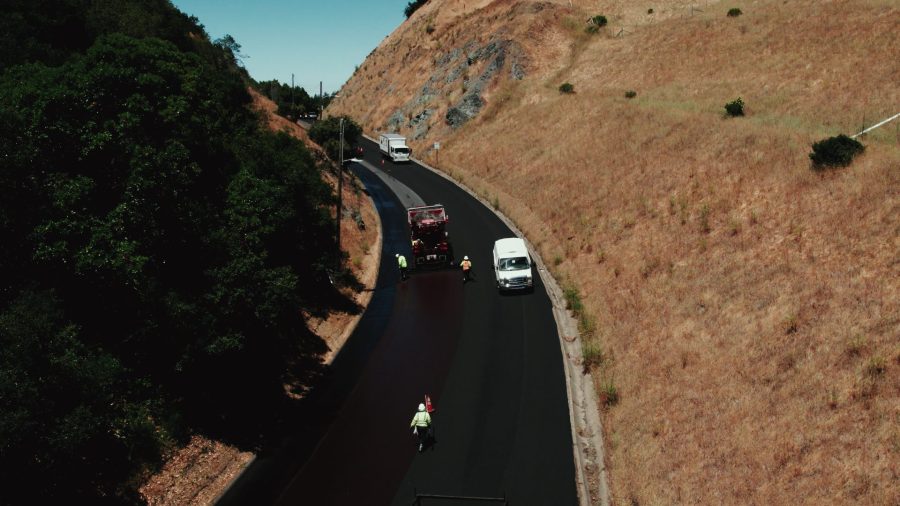
As a property manager, keeping the parking lot in good condition is crucial for safety, accessibility, and curb appeal. Sealing the existing pavement not only extends its lifespan but also protects it from weather, traffic, and surface degradation. However, choosing the right treatment isn’t always straightforward. While sealcoating provides a protective layer using asphalt emulsion, a slurry seal application creates a new variably textured surface that improves durability, traction, and color and texture delineation. A slurry seal is a mixture of asphalt emulsion, aggregate, mineral filler, and other additives, commonly including polymer for enhanced durability. The addition of polymer and other additives improves the mixture’s flexibility and sealing effectiveness. Slurry seal is commonly used on streets and roads to extend pavement life. It also enhances the appearance of the pavement by providing color and texture delineation. Understanding how each method interacts with your existing surface is the key to deciding whether sealcoating or a slurry seal is the best choice for your project.
Ready to Protect Your Pavement?
Don’t wait until cracks and wear turn into costly repairs. Get a free estimate today and see whether sealcoating or slurry seal is the right solution for your parking lot or existing pavement.
Request your free estimate now
Why Asphalt Needs Sealing
Asphalt pavement is made from a combination of mineral aggregate and a petroleum-based binder, creating the strong, flexible surface we rely on for driveways, parking lots, and roads. Over time, however, even the most carefully constructed pavement begins to break down. Constant exposure to sunlight, oxidation, water, and traffic gradually reduces the binder’s elasticity. As the asphalt binder becomes brittle, the existing surface loses its ability to flex under stress, leading to cracks, raveling, and water penetration.
Without proper protection, this aging process accelerates. Heavy vehicle loads and environmental factors wear away at the variably textured surface, exposing more aggregate and weakening the structure. Sealcoating or slurry seal application helps counteract this process by replenishing the asphalt emulsion on the surface, restoring flexibility, and providing a barrier against UV rays and moisture. These treatments provide protection by filling cracks and voids, and improve skid resistance for safer surfaces. Not only does sealing preserve the pavement’s durability, but it also improves color and texture delineation, giving the existing pavement a refreshed, uniform appearance.
How Seal Coating and Slurry Sealing Work
Seal coats and slurry seals serve similar purposes in pavement maintenance by protecting asphalt from the elements. However, there are key differences in how they’re used.
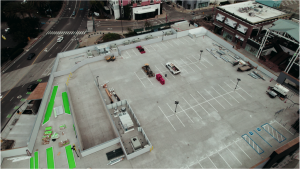
A seal coat is an emulsion of liquid asphalt, fine mineral fillers and anti-oxidation additives, bought and applied in a pre-mixed state. This emulsion can be sprayed onto the pavement or applied using a squeegee. The seal coat cures in about two to four hours to form a smooth protective layer over the asphalt’s surface that keeps moisture and UV radiation away from the binder. The width of cracks in the pavement often determines whether sealcoating, slurry seal, or other treatments are most appropriate.
Slurry seals are thicker because, instead of the smaller filler particles in seal coats, they contain coarse mineral aggregate much like asphalt. Different types of aggregate, such as type II, are used depending on the project requirements. As a result, the slurry seal is generally cold-mixed on-site before application. The mixing process requires the use of specialized equipment, which also works to apply the final product to the pavement. Proper placement and spreading of the slurry seal mixture are essential to ensure a uniform, adherent layer that enhances pavement durability. The slurry seal can be applied in a single pass, efficiently filling cracks, sealing, and providing a new surface texture. The slurry seal takes eight to 10 hours to cure, and the end result is similar to the underlying asphalt, producing an additional wear surface for the parking lot.
When To Seal Coat and When To Slurry Seal
Deciding between sealcoating and a slurry seal application depends on the condition of your existing pavement and how it will be used. There is no universal “best” product, but each method has advantages. A slurry seal, made from an asphalt emulsion mixed with aggregate, creates a thicker, variably textured new wearing surface that is highly durable. This new wearing surface improves pavement durability and provides a smooth, protective layer.
Seal coats tend to be thin protective layers without added aggregate. They are more affordable and effective for low-traffic areas like residential driveways or lightly used parking lots. Sealcoating enhances color and texture delineation, refreshes the look of the surface, and helps protect against UV rays and moisture. On average, a seal coat lasts about five years, but it can be reapplied more frequently at a lower cost.
Either product will need re-applying more than once over time, though pavement maintenance is easier and less demanding when done right the first time. As a property manager, you can best accomplish this by hiring a reputable contractor for your asphalt surface. To learn more about regular maintenance, please read our blog on The Ultimate Guide to Pavement Maintenance.
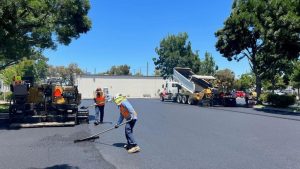
Want a quick way to compare slurry seal vs. sealcoating?
Our infographic breaks down the differences in cost, durability, and application methods so you can easily decide which option is right for your existing pavement. Click here to see it.
FAQ
What is the difference between sealcoating and slurry seal application?
Sealcoating uses an asphalt emulsion applied to the surface to protect it from UV rays, oxidation, and water damage. It creates a smoother finish and is ideal for low-traffic areas like residential driveways and parking lots. Slurry seal application, on the other hand, mixes asphalt emulsion with fine aggregate to create a variably textured surface that is more durable. It is best suited for existing pavement with higher traffic loads or unraveled areas that need reinforcement.
How long does each method last on existing pavement?
Sealcoating typically lasts about five years, depending on traffic and weather conditions. Slurry seal, because of its thicker material and aggregate content, can extend the lifespan of the existing surface up to 10 years. While slurry seal offers more durability, it is also more expensive due to the heavy equipment required for the job.
Does slurry seal improve the appearance of my parking lot?
Yes. Slurry seal creates a darker, more uniform finish that helps with color and texture delineation on parking lots, driveways, and roadways. Because it fills in minor surface damage, it refreshes the look of existing pavement while also increasing durability. Sealcoating also enhances appearance, but slurry seal provides a thicker layer that hides imperfections better.
Which option is more cost-effective for property managers?
Sealcoating is the more affordable option upfront and works well for parking lots or low-traffic areas. Slurry seal is more costly due to its labor-intensive process, but it delivers longer-lasting results and reduces the need for frequent maintenance. The choice depends on whether you prioritize immediate savings or long-term durability for your existing surface.
Keep Your Pavement Looking Its Best
Whether your project calls for sealcoating or slurry seal application, DRYCO has the expertise, equipment, and proven results to protect your existing pavement and extend its durability.