
How to Protect Your Asphalt Surfaces from Heat & Wear: DRYCO’s Proven Maintenance Strategies
Asphalt maintenance in Central Valley and Northern California requires special attention due to extreme summer heat, heavy traffic, and intense UV exposure that can accelerate surface deterioration. At DRYCO, we have supported property managers, facility directors, and commercial owners since 1985 with expert asphalt maintenance services including sealcoating, crack repair, resurfacing, and comprehensive maintenance planning.
In this guide, learn why asphalt fails in hot climates, the key preventative measures to protect your asphalt driveways and parking lots, and how proper maintenance can extend pavement life, improve curb appeal, and reduce costly repairs or complete replacement.
Why Asphalt Fails in Hot Climates
California’s Central Valley experiences some of the highest pavement temperatures nationwide. Prolonged heat exposure accelerates asphalt oxidation and binder degradation, causing:
- Cracking and brittleness
- Fading and loss of surface integrity
- Rutting and deformation from heavy trucks and traffic
Without timely maintenance, minor cracks and surface wear allow moisture penetration, leading to base layer damage and costly asphalt repairs.

DRYCO’s Core Asphalt Maintenance Strategies
Routine Sealcoating: Your First Line of Defense
Sealcoating is an important component of asphalt maintenance that improves the appearance of asphalt pavement by providing a uniform black color and protecting the surface against weather elements such as UV rays, oil stains, and environmental wear. In hot climates, applying a seal coat within 2–3 years after new pavement installation, then every 3–5 years, preserves flexibility and slows oxidation.
This preventative measure helps maintain the asphalt binder’s integrity and prevents further damage, extending the pavement life and enhancing curb appeal.
Proactive Crack Sealing
Repairing cracks promptly prevents water and heat from penetrating the pavement structure, which can weaken the base and cause potholes. DRYCO uses high-quality sealants applied at the right time to maximize adhesion and extend pavement life. Crack sealing should be performed approximately every 2 to 3 years to maintain asphalt integrity.
Regular Asphalt Inspections and Cleaning
Regular inspections are an essential component of maintaining asphalt. Weekly visual inspections combined with annual professional reviews help identify early signs of deterioration such as surface fading, wheel ruts, standing water, and cracks. Routine cleaning removes dirt, debris, and oil stains that accelerate pavement deterioration and negatively affect appearance.
Sweeping away debris and dirt at least once a month is recommended to prevent moisture retention and surface erosion. Using a degreaser that is safe for asphalt can help remove stubborn oil stains and fuel spills that may lead to cracking.
Targeted Repairs & Resurfacing
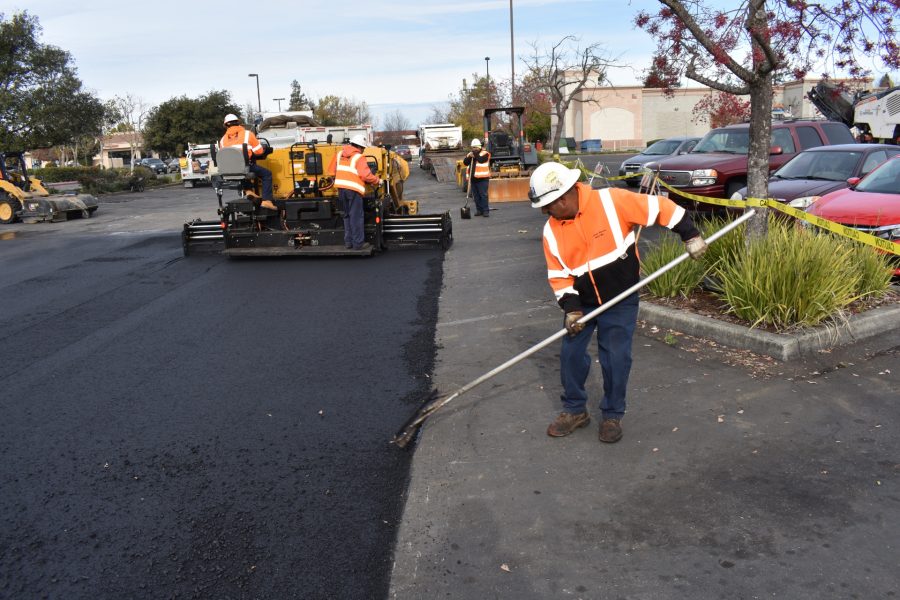
High-traffic zones like loading areas often require spot patching, milling, overlays, or structural strengthening. DRYCO’s expert team performs durable asphalt repairs to restore surface integrity without the need for complete replacement. Patching potholes as soon as they appear is critical to prevent further damage and costly repairs.
Overlaying adds a layer of new asphalt, typically 1.5 to 2.5 inches thick, over the existing pavement to add strength and improve curb appeal. Overlays should be placed when the pavement is in moderate condition, usually between 8 to 12 years old.
Effective Drainage Management
Proper drainage prevents water from pooling on asphalt surfaces, which can soften the sub-base and shorten pavement life. Keeping drains clear and ensuring water flows away from the pavement are critical components of maintenance. Standing water should be avoided by maintaining a slope of at least 1.5% on parking lots and roadways to ensure proper surface drainage and minimize infiltration.

Why Choose DRYCO for Your Asphalt Maintenance Needs
DRYCO is a trusted commercial pavement company serving the Bay Area and Central Valley, offering a full range of asphalt maintenance services including sealcoating, crack repair, overlays, parking lot maintenance, and line striping. Our dedicated team works closely with property managers and facility directors to develop tailored maintenance programs that protect your investment.
Our commitment to quality, expert advice, and proven maintenance strategies ensures your asphalt surfaces remain durable, safe, and attractive for years to come.
Ready to Protect Your Pavement?
Extending the life of your asphalt surfaces doesn’t have to be complicated. With DRYCO‘s expert advice and proven maintenance process, you can safeguard your asphalt, improve safety, and maintain a durable, attractive property.
Contact DRYCO today for a free estimate and let us help you implement a comprehensive asphalt maintenance plan that fits your property and budget.
Annual Maintenance Calendar: Maximize Asphalt Life
| Season | Recommended Actions |
| Spring | Full inspection, crack sealing |
| Summer (before peak heat) | Surface cleaning and preparation |
| Fall | Sealcoating and line striping |
| Winter | Maintenance planning and repair scheduling |
Equipment and Material Considerations in Asphalt Maintenance
Proper equipment and materials are vital for successful asphalt maintenance.
Sealcoating Materials
Slow-setting asphalt emulsions such as SS-1, CSS-1, or their high float versions are commonly used. The material should be diluted appropriately to avoid excess application that can cause tracking or pick-up.
Crack Sealants
Rubberized sealants meeting ASTM specifications provide flexibility and adhesion. Proper crack preparation, including cleaning and routing, improves sealant performance.
Compaction Equipment
Compaction is critical to asphalt durability. Vibratory rollers and pneumatic tired rollers are typically used to achieve required density. Lift thickness should be at least three times the maximum aggregate size to ensure proper compaction.
Paving and Overlay Equipment
Modern pavers are designed to maintain consistent speed and temperature for optimal mat quality. Proper paving speed and mat thickness contribute to long-lasting pavement.
Common Asphalt Maintenance Challenges and How to Address Them
Dealing with Large Cracks and Alligator Cracking
Large cracks and interconnected cracking (alligator cracking) indicate structural failure. These require full-depth repairs or milling and overlay rather than simple crack sealing.
Oil and Fuel Stains
Oil leaks soften asphalt binder and accelerate deterioration. Prompt cleaning with asphalt-safe degreasers and sealcoating can mitigate damage.
Surface Rutting and Deformation
Heavy truck traffic can cause rutting. Reinforcement with overlays or structural strengthening may be needed.
Standing Water and Drainage Problems
Persistent ponding accelerates base failure. Correcting drainage by regrading or installing drains is essential.
Frequently Asked Questions About Asphalt Maintenance
How often should I perform asphalt maintenance like sealcoating and crack sealing?
Sealcoating should typically be applied every 3 to 5 years to protect the asphalt surface from UV rays, oxidation, and moisture. Crack sealing is recommended approximately every 2 to 3 years or as soon as cracks appear to prevent water infiltration and further damage.
Can I perform asphalt maintenance myself, or should I hire a professional?
Basic tasks like regular cleaning, sweeping, and minor crack repairs can be done by property managers or homeowners. However, for sealcoating, extensive crack sealing, patching, or resurfacing, it is best to hire experienced professionals to ensure proper application and long-lasting results.
What are the consequences of neglecting regular asphalt maintenance?
Neglecting maintenance can lead to accelerated deterioration including cracking, potholes, fading, and base layer damage. This often results in costly repairs or the need for complete replacement much sooner than expected.
How does weather affect asphalt maintenance?
Extreme weather, especially heat and heavy rain, can accelerate asphalt aging and damage. Maintenance activities like sealcoating and crack sealing should be scheduled during dry, moderate temperature periods for optimal effectiveness.
What are the signs that my asphalt pavement needs repair or maintenance?
Look for visible cracks, potholes, fading or chalking surface, standing water or poor drainage, rutting, and surface roughness. Early detection through regular inspections helps prevent costly repairs and extends pavement life.