

At DRYCO, we know proper maintenance protects your pavement investment. Use the DRYCO Sealcoat Calculator to estimate the cost of sealcoating your parking lot, roadway, or asphalt surface anywhere in the Bay Area or California’s Central Valley. The calculator automatically performs calculations based on the information you provide, making it easy to estimate your needs. Simply enter the total square footage of your pavement and click to get an estimated price range based on industry averages. This calculator helps you budget your maintenance plan and understand the long-term savings of regular sealcoating.
Calculators like this one help you calculate the rough cost of sealcoat for your project. Before using the calculator, it’s important to gather accurate information such as area size and surface condition to ensure the most precise estimate.
DISCLAIMER: This calculator is for estimation purposes only. For an exact quote, contact DRYCO below for a detailed site evaluation.
Your project estimate
Estimates are budgetary and reflect a ±5% range. Final pricing may vary due to surface texture, cracking, mobilizations, cleanliness, hand work (valley gutters or stamped concrete), and specific striping requirements (double lines, stencils, speed bumps, crosswalks, curb striping).
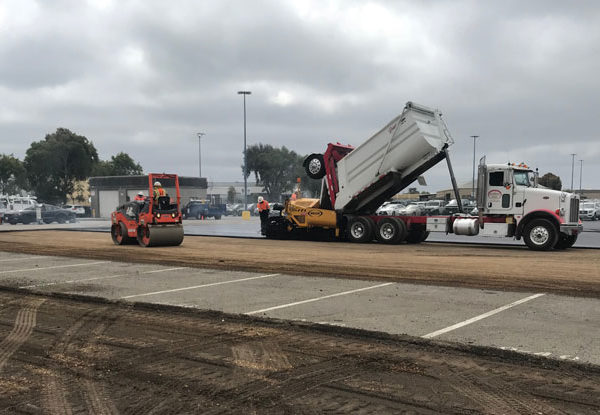
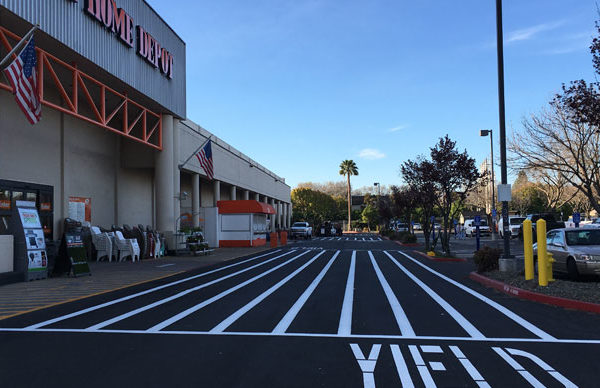
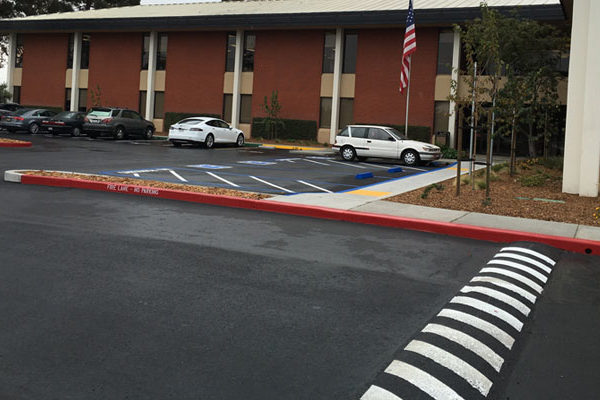
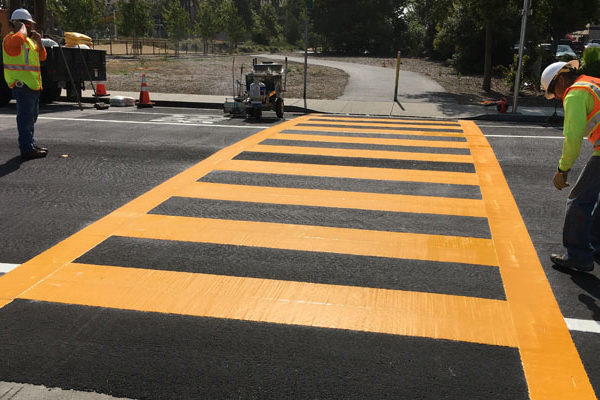
Read more about our sealcoating services:
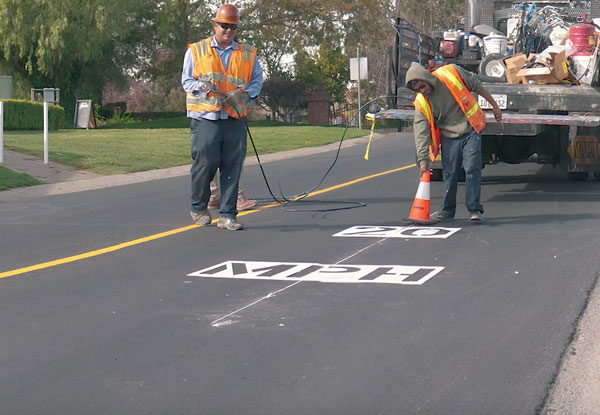
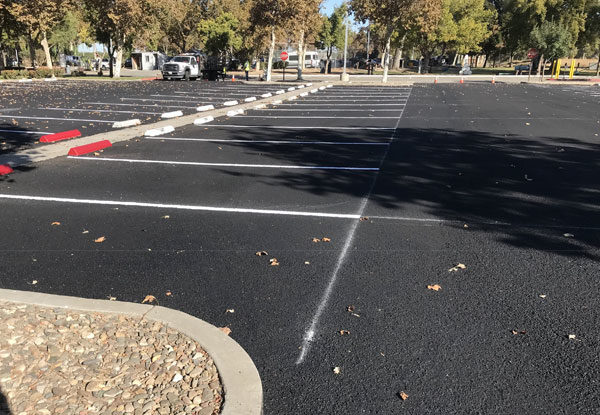
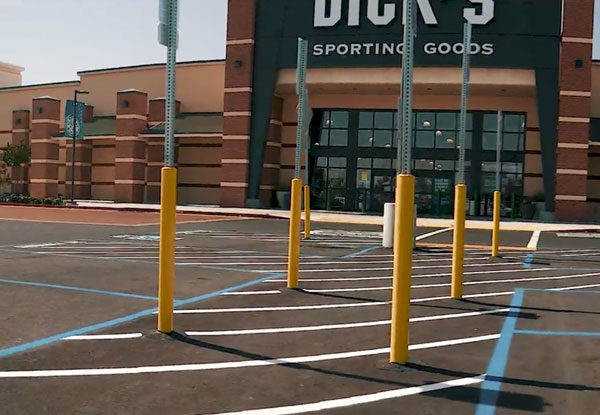
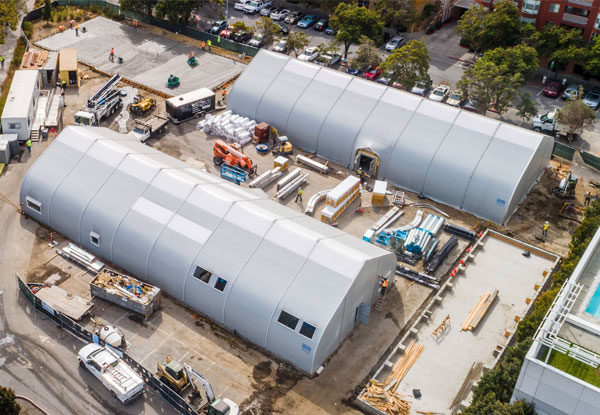
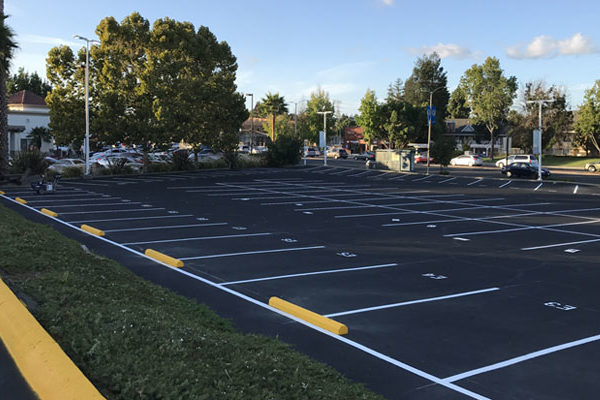
Measuring Asphalt Surface Area – How Many Square Feet?
Accurately measuring your asphalt surface is the first step to a successful sealcoating project. To determine the total area, simply multiply the length by the width of your driveway or parking lot to get the square footage. For example, a driveway that is 100 feet long and 20 feet wide equals 2,000 square feet. Once you have this number, enter it into a sealer calculator to find out how many gallons of sealer you’ll need, based on the recommended coverage rate per gallon. Don’t forget to account for the number of coats you plan to apply, as this will affect the total gallons of sealer required. Using a calculator ensures you purchase the right amount of material for complete coverage, helping you avoid waste and ensuring your asphalt is properly protected.
How to Use the Sealcoat Calculator
Enter the total square footage of the area you need sealcoated. The estimated cost is calculated based on the information you enter, including area and surface type. The calculator will give you an estimated cost range based on industry pricing tiers and project size.
Sealcoat pricing varies depending on several key factors:
- Surface size and layout (be sure to accurately measure your area for more accurate estimates)
- Surface texture and cleanliness
- Crack repair and pre-seal preparation
- Striping layout (if required)
- Handwork and access limitations
- The type of asphalt or surface can affect the amount of sealcoat required
You can figure the total amount of sealcoat needed by considering both the area and the number of coats.
What Impacts Sealcoat Cost Price?
- Texture of existing surface
- Cracks in surface
- Mobilizations required
- Cleanliness of existing surface
- Hand work required. Valley gutters, stamped concrete, etc.
- Striping, double line stalls, speed bumps, stenciling, cross walks, all can add to cost.
- Curb striping will add to cost
- Choice of sealcoat product can impact pricing due to differences in quality, coverage, and container size.
- Some sealcoat products can be diluted with water, which may affect the total amount of product needed and influence the overall cost.
- Adding sand to the sealcoat for traction or crack filling can increase material requirements and affect the final price.
Introduction to Sealcoating
Sealcoating is a vital maintenance step for any asphalt surface, whether it’s a residential driveway or a commercial parking lot. By applying a protective layer, sealcoating shields your pavement from water, UV rays, and harsh chemicals that can cause premature deterioration. For homeowners and property managers, using a sealer calculator is the smartest way to determine how much sealer is needed for your specific sealcoating project. By factoring in the square footage of the area and the chosen application method, the calculator helps you plan your job efficiently and cost effectively. This ensures your property is properly sealed, protected from the elements, and that you only purchase the amount of sealer required, saving both time and money.
Why Sealcoating Matters
Sealcoating extends the life of your pavement by protecting the asphalt binder from UV rays, water, oil, and oxidation. Sealing your pavement is essential for long-term durability and protection against weather and chemicals. DRYCO’s spray-on method delivers even coverage, no streaking, and a like-new finish that restores appearance and maximizes surface flexibility.
Without sealcoating, asphalt breaks down faster, cracks form more easily, and the cost of repairs increases dramatically.

DIY vs Professional Sealcoating
When planning a sealcoating project, homeowners often weigh the benefits of doing it themselves versus hiring professional contractors. DIY sealcoating can be a cost effective choice, as it eliminates labor costs and allows you to control the project timeline. However, it does require a certain level of expertise and access to specialized equipment, which can add to the overall cost and complexity. Professional contractors bring years of experience, the right tools, and can often complete the job more efficiently and with a higher-quality finish. They may also offer warranties for their work, providing added peace of mind. By using a sealcoat calculator, you can estimate the cost of materials and labor for both options, helping you make an informed decision that fits your budget and expectations.
Tips to be Cost Effective with Sealcoating
Looking to keep your sealcoating project within budget? Start by using a sealer calculator to determine the exact amount of sealer you’ll need, this helps avoid overbuying and reduces material waste. Consider scheduling your project during the off-season, when contractors may offer lower rates. You can also save by choosing a more affordable sealer or opting for a single coat if your surface is in good condition. Properly preparing the surface before application is key; a clean, dry surface allows the sealer to adhere better and last longer, reducing the need for frequent reapplication. By following these tips, homeowners can achieve a high-quality, cost effective sealcoating job without unnecessary expenses.
Common Sealcoating Mistakes
Avoiding common sealcoating mistakes is essential for a long-lasting, professional-looking finish. One frequent error is applying too many gallons of sealer, which can result in a sticky, uneven surface that takes longer to cure. Skipping proper surface preparation, such as cleaning and repairing cracks can prevent the sealer from bonding correctly to the asphalt. Using low-quality sealer or applying it in unsuitable weather conditions can also compromise the results. To prevent these issues, use a sealer calculator to determine the correct amount of material and follow the recommended application method. By relying on accurate calculations and best practices, both homeowners and contractors can ensure a successful sealcoating job that protects and enhances the pavement for years to come.
Sealcoat Expectations
DO NOT ENTER FRESHLY SEALED AREAS FOR 24–48 HOURS
Curing time varies based on temperature, sun exposure, and material used. Only return when cones, tape, or barriers are removed, or when given clearance by DRYCO.
If you enter too early:
- Sealant will track onto sidewalks, floors, and unsealed surfaces
- Shoes, tires, and garage floors may be stained or damaged
- Sealcoat integrity will be compromised
Help us do it right.
Avoid early access. Ensure a cleaner finish, longer protection, and no mess.
Community Notice & Temporary Access Restrictions
Sealcoat operations may require full closure of vehicle access to sections of parking lots or roadways.
Resident Reminders:
- Mark your calendar and relocate your vehicle the night before
- Follow all posted NO PARKING signs with dates and color-coded phases
- Garage vehicles may remain if not in use
- Carports will be inaccessible
- Close windows and doors during morning cleaning to avoid dust
- Mail may be held by the post office during closures
- Do not re-enter until barricades are removed by DRYCO
- Scuffing or minor tracking is normal for 6–8 weeks post-application
Have a sealcoat, striping, fencing or asphalt project that needs a bid?
Does your parking lot need some love? Does your property need ADA upgrades? Need upgraded security fencing?
How about a commercial concrete job? DRYCO can help. Schedule an estimate below or give us a call if you have any questions: 800-378-2177.
Frequently Asked Questions
Does sealcoating fill cracks?
No. Cracks must be filled before sealcoat application using hot-applied crack filler.
How long before I can walk or drive on it?
24 to 48 hours minimum, depending on temperature and humidity.
What happens if it rains after application?
As long as the surface cures for 24 hours, rain does not damage the sealcoat.
What’s the best time of year to sealcoat?
Anytime the pavement is above 40°F and humidity is low. Warm, dry weather accelerates curing.
How long does sealcoating last?
3 to 5 years with proper maintenance and traffic levels.
Is sealcoating worth the cost?
Yes. It protects the asphalt binder, extends pavement life, and lowers total maintenance costs.
What’s the difference between water-based and oil-based gallons of sealers?
Water-based sealers provide a smoother finish, resist gas and oil better, and are more environmentally friendly than oil-based options.